

Acne Uncovered: How Nutritional Therapy can Help
posted 29th May 2026
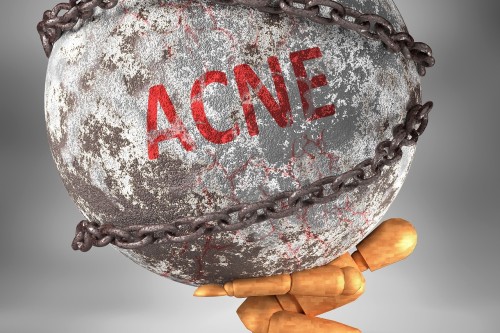
Recent research shows that acne vulgaris is one of the most common skin conditions in the UK. Whilst looking after your skin from the outside can play a part, supporting your skin from the inside is critical for maintaining it’s good health and managing symptoms.
What is Acne
Acne Vulgaris is the medical term for common acne and it is a chronic inflammatory skin condition that occurs when hair follicles become clogged with oil and dead skin cells. It commonly results in non-inflammatory blackheads and whiteheads, as well as inflammatory red pimples, pustules and painful cysts. It usually presents on the face, forehead, chest, upper back and shoulders and primarily affects teenagers and young adults. However, it can also present for the first time in adulthood especially during times of hormonal change such as perimenopause.
Medical Investigations
Because acne can lead to scarring, it is important to discuss it with a doctor or GP. Conventional treatment includes antibiotics, retinoids and the contraceptive pill or HRT to help balance hormones. But the risk of antibiotic resistance and the impact on gut health alongside the high recurrence rates after retinoid treatment has led to research into other areas of support including nutrition and microbiome balance.
Causes of Acne
- Genetics - A number of genetic variants and inherited traits have been found to be linked to the development of acne. These genes can range from variants in the fillaggrin genes (which are responsible for maintaining the skin barrier and hydration) to genes linked to inflammation, hormones, metabolism and nutrients. Nutrigenomic testing may therefore be helpful to identify relevant genetics and how to effectively support them with specific nutrients.
- Hormonal Imbalances - The androgen hormones connected to testosterone are all linked to acne which makes the condition particularly prevalent during puberty, perimenopause or with certain medical conditions such as PMOS (PCOS), testosterone replacement therapy or anabolic steroid use. Supporting liver detoxification and regular bowel function is very important for maintaining healthy hormone levels. Androgens promote the sensitivity of sebaceous gland receptors leading to the growth of the glands and increasing oil production, which in turn clogs pores and drives acne breakouts. Functional testing of hormone levels may be very helpful to identify an imbalance of androgens and support needed for specific detoxification pathways.
- High Glycaemic/ High Dairy Diet - A diet high in refined sugar and dairy promotes the effects of insulin and insulin-like growth factor. This drives the production of androgen hormones and sebum leading to an increase in acne lesions. A low glycaemic, low dairy diet can be effective in reducing acne.
- Stress - During periods of stress, hormones such as cortisol can increase sebum production and slow down wound healing. Having acne lesions can in turn be incredibly stressful leading to anxiety and lack of self confidence. Using lifestyle strategies to support stress can be extremely important when supporting acne.
- Nutrient Depletions - Low levels of certain specific vitamins and minerals are known to be factors in the development of acne. For example, zinc is needed for the regulation of sex hormones, vitamin A is crucial for skin cell shedding and linoleic acid is important for maintaining healthy sebum.
- Skin Microbes - An imbalance of microbes on the skin can lead to an overgrowth of anaerobic species such as Cutibacterium acnes which thrive within clogged pores and trigger the inflammatory response associated with acne.
- Gut-Skin Axis - An imbalance of microbes within the gut microbiome can result in a disturbed intestinal barrier. This creates a feedback loop which amplifies inflammation and the cell signalling response which is linked to the development of acne. Specific gut microbiome testing can be used to identify these imbalances which can then be supported with specific nutritional therapy interventions.
Summary
So as you can see, the presentation of acne is multi factorial and can be driven by genetic, hormonal, metabolic and digestive imbalances. Nutritional therapy and functional testing can provide a way of identifying these imbalances and develop a personal support plan to help improve your symptoms.
If you would like to book a free discovery call to see how Nutritional Therapy can help you, please contact Medicinal Eating or email direct at info@medicinaleating.co.uk.*