

Could Mould Exposure Be Making You Sick?

posted 28th February 2026
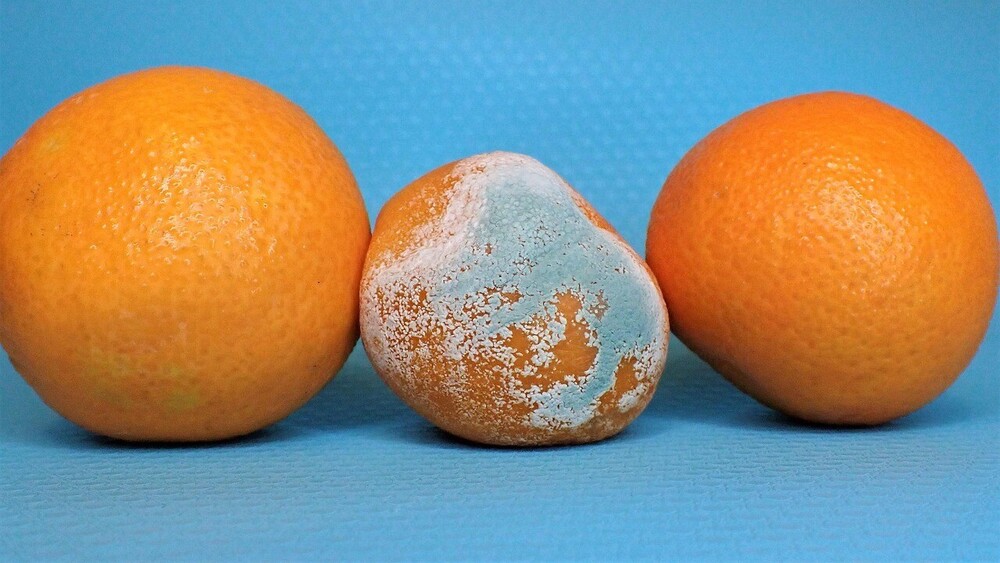
Mould toxicity or mould illness is a condition which presents after an individual is overexposed to mould and becomes unwell. It is not the mould itself that causes illness, but the mycotoxins, which are poisons released from the mould. Anyone can potentially become sick from overexposure to mycotoxins although this can vary from person to person depending on genetics, existing toxin burden and overall immune resilience. Ultimately, systemic mycotoxin exposure can lead to a condition called CIRS (Chronic Inflammatory Response Syndrome).
What is Mould Illness?
Mould illness is a constellation of symptoms that result from a combination of mould spore colonisation in the body and toxic load due to the mycotoxins they produce. The mycotoxins can damage every system in the body which is what can make mould illness difficult to identify and why it often gets missed. Ways that mycotoxins can impact the body include:
- Increased Oxidative Stress - Mycotoxins drive the production of reactive oxygen species which result in increased oxidative stress. This can specifically damage cells in the nervous system.
- Mitochondrial Dysfunction - Trichothecenes (one specific type of mycotoxin) can impact our mitochondria which produce energy in our cells. This can result in fatigue, brain fog and poor cognition.
- Inflammation - Mycotoxins trigger the neuroimmune axis resulting in an inflammatory response in both the brain and body.
- Compromise of the Blood Brain Barrier - Mycotoxins can cross into the brain with neurotoxic effects resulting in depression, anxiety and other mental health issues.
- Cell Danger Response - Mycotoxins can trigger an alarm response in the body which can impact multiple body systems and processes.
Signs and Symptoms
- Chronic sinus congestion
- Coughing and chest pain/ tightness
- Fatigue and dizziness
- Brain fog, confusion, poor memory
- Anxiety, depression or low mood
- Mood swings
- Frequent colds and flu (due to immune suppression)
- Weakness, joint pain, muscle aches and cramps
- Numbness and tingling
- Odd tics, spasms and seizure-like events
- Headaches and migraines
- Insomnia and sleep disruptions
- Skin and eye irritation or dry eyes
- Sensitivity to electric shocks
- Skin sensitivity to light touch
- Sensitivity to bright light
- Metallic taste in mouth
- Frequent urination, unusual bed-wetting in children
- Histamine Intolerance or Mast Cell Activation Syndrome
- Overly sensitive to chemicals, scents, perfumes etc
- Body temperature dysregulation
- Digestive symptoms
Mycotoxin Testing
If you experiencing some of these symptoms and especially if you have a history of mould exposure or living in a water damaged building, then it would be worth testing for Urine Mycotoxins. A Mycotoxin test will identify if and what types of mycotoxin are present and in what quantity. If this test is positive or if you strongly suspect you are being affected by mould then a priority is to remove the source of exposure (or remove yourself from the mould). There are mould testing companies who can assess the home and offer advice on remediation if appropriate. It is important to remember that furniture and fittings can also be contaminated by mould.
Nutritional Therapy Support
Once the primary source of mould exposure is addressed then Medicinal Eating Nutritional Therapy can help with a support plan to address mycotoxin exposure in the body. Consideration needs to be given to:
- Avoidance - Removing any exposure to mould and mycotoxins in the diet as well as the environment. This includes grains, nuts, seeds, herbs, spices and coffee as well as consideration for certain fruits and vegetables.
- Preparation- Reviewing and supporting all detoxification pathways including the consideration of further testing into genetic variants that may hinder detoxification and stool testing to assess elimination through the bile and digestive tract.
- Binders - Once all detoxification pathways are working effectively binders can be used to carry mycotoxins out of the body.
- Removal - If mould spores are identified within the digestive tract then certain anti microbial herbs can be helpful to address any colonisation. Mycotoxins also encourage the growth of candida which may also need to be addressed.
- Antioxidant Support - Dietary and supplementary antioxidants can be helpful to reduce symptoms associated with oxidative stress and repair mitochondrial dysfunction.
- Nervous System and Hormonal Support - Working via the gut-brain axis and supporting restorative sleep can all play an important part in the healing process.
Summary
Whilst recovering from Mould Illness is a marathon not a sprint it is entirely possible. If you suspect that mould and mycotoxin exposure may be the root cause behind your health symptoms and would like to find out more about how Medicinal Eating Nutritional Therapy can help then please book a free discovery call. You can contact Medicinal Eating or email me direct at info@medicinaleating.co.uk.*