

Garlic - Friend or Foe?
posted 26th June 2026
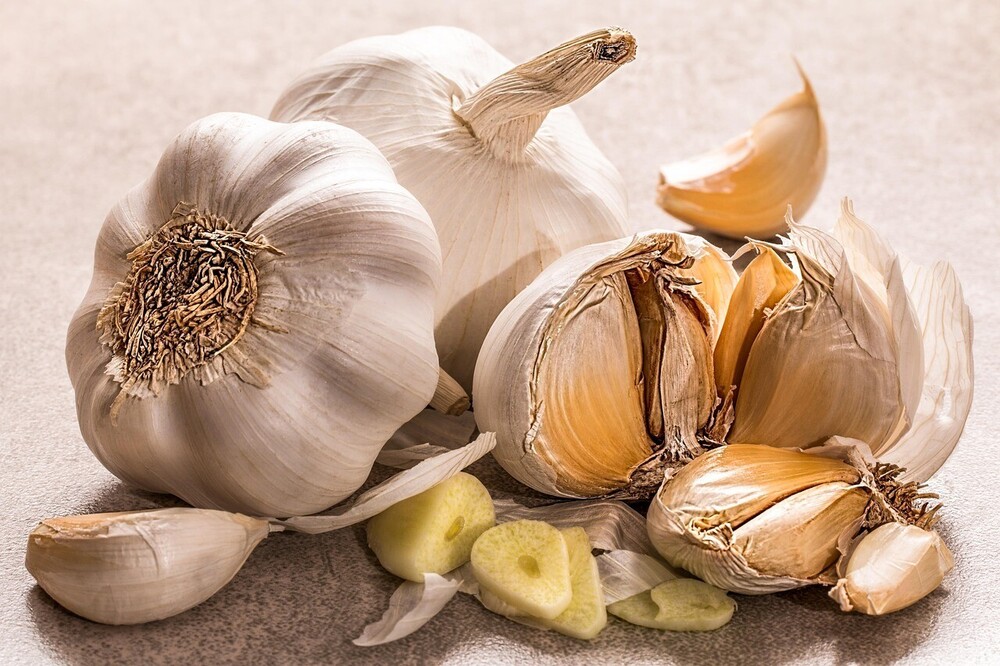
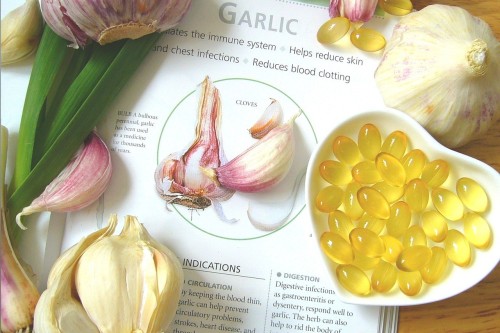
Garlic (or Allium Sativum) has been celebrated for centuries for both it’s food enhancing and health promoting properties. But is garlic beneficial for everyone? Is it a friend or foe!
History of Garlic
Nearly two thousand years ago, a Greek physician named Galen praised the garlic bulb as a “cure-all”. Garlic is believed to originate from Central and South America and the Egyptians considered garlic as a sacred food. It’s health promoting properties are still acknowledged today thanks to it’s star ingredient: allicin. Allicin, a sulphur containing compound, is found at it’s highest potency in fresh raw cloves of garlic. In order to maximise the benefits of garlic it is best to crush the raw garlic about ten minutes before eating. This allows the enzymes within the garlic to activate the allicin and maximise it’s potency.
Nutrients in Garlic
As well as allicin, garlic also contains good levels of B vitamins (thiamine and pyridoxine), which have been found to alleviate fatigue and may explain why Greeks gave garlic to their Olympic athletes to increase their stamina. Garlic is also a natural source of vitamin C which helps support our immune system and provide an antioxidant boost. Alongside these beneficial nutrients, garlic is packed with beneficial phytochemicals like flavanoids, saponins and phenolic compounds which provide some of it’s many health benefits.
Medicinal Properties of Garlic
- Antimicrobial - Garlic is a powerful antibacterial, antiviral, antifungal and anti parasitic agent. It has shown to be effective against a wide range of bacteria, including E.Coli, Staphylococcus, and Salmonella. It can also help prevent and reduce the severity of viral infections, including the common cold and flu, and is effective against yeasts like Candida. It is particularly useful for discouraging pathogenic bacteria whilst sparing beneficial species such as Lactobacillus and Bifidobacterium.
- Anti-inflammatory - The compounds in garlic have been researched to block pro-inflammatory pathways making it lower inflammatory markers within the body. It can therefore be supportive for chronic inflammatory conditions such as cardiometabolic diseases, arthritis, autoimmune conditions and neurodegenerative disorders.
- Cardiovascular - Garlic can be helpful in reducing cardiovascular risk factors such as lowering “bad” cholesterol and raising “good” cholesterol. It also helps lower blood pressure by relaxing the walls of blood vessels and reduces the risk of blood clots and improves blood flow via it’s blood thinning properties.
- Antioxidant - Garlic is rich in antioxidants, which help protect cells from oxidative stress and damage by free radicals. It also boosts the production of glutathione, one of the body’s most important antioxidants. This in turn supports liver function and detoxification.
- Prebiotic - Garlic is an excellent natural prebiotic containing specific non-digestible fibres called inulin and FOS. These travel to your large intestine and feed beneficial species of gut bacteria, encouraging healthy microbial diversity and richness.
- Blood Sugar Balance - Garlic has been shown to improve insulin sensitivity and regulate blood sugar levels, which can be beneficial for people with type 2 diabetes or insulin resistance.
Is Garlic For Everyone?
So with all these wonderful medicinal benefits, you may wonder how garlic can be a foe? There are certain overlapping biological, immunological and digestive factors that may mean garlic may not be for everybody.
- Small Intestinal Bacterial Overgrowth (SIBO) - People with an overgrowth of bacteria in the small intestine may find that microbes feed on the dietary sulphur contained in garlic and convert it into hydrogen sulphide gas. This can cause bloating, cramping and digestive distress. A SIBO breath test or Gut Microbiome test can identify if this is the case alongside relevant symptoms.
- Impaired Sulphur Metabolism - Some individuals have a reduced capacity to process dietary sulphur due to enzyme deficiencies or genetic variants. A Nutrigenomic test can help identify if this is relevant for you.
- Irritable Bowel Syndrome - Garlic is high in prebiotic fibre which makes it a great food for our gut microbes. However, if gut dysbiosis is present, the fermentable carbohydrates in garlic can trigger gas and water accumulation in the digestive tract. This in turn can cause irritable bowel symptoms such as bloating, cramping, abdominal discomfort and even constipation or diarrhoea. A gut health and microbiome test may provide insight into the presence of an imbalanced microbiome or digestive insufficiency that can lead to these symptoms.
- Garlic Sensitivity - The compounds in garlic can trigger immune activation and result in more systemic symptoms such as fatigue, brain fog, joint pains, asthma and skin rashes. A Food Inflammation Test can help identify if this is relevant.
- Garlic Allergy - Although rare, certain individuals can experience an allergic response to garlic resulting in hives, swelling and even anaphylaxis.
Summary
The health benefits of garlic are many and it is definitely a wonderful medicinal food to incorporate into your daily diet. However, if you do fall into one of the categories where it may be a foe, it could potentially be a driver of uncomfortable and debilitating symptoms. This is where personalised nutrition can help identify the foods that are extremely beneficial for your overall health and those that should perhaps be avoided or limited, possibly just for a short period of time, in order to address the underlying microbial imbalances or immune related symptoms.
If you would like to book a free discovery call to see how Nutritional Therapy can help you, please contact Medicinal Eating or email direct at info@medicinaleating.co.uk.