

Supporting the Gut During and After Antibiotics
posted 21st November 2025
If you have seen me in the last couple of months you will have heard about “finger gate!”. An unfortunate accident where, in a horse related accident, the first part of my finger parted company with the rest of my digit and was hanging on by a thread! Apologies if you are feeling a bit queasy reading this.. it was not a pretty sight.
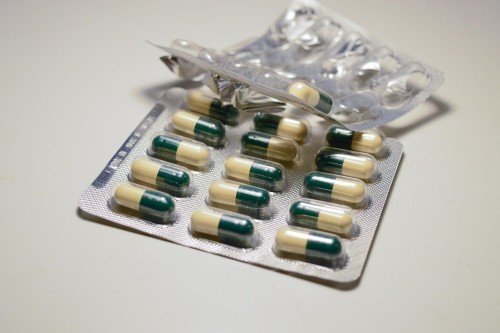
A visit to A&E and a 2 hour operation with a brilliant hand surgeon meant my finger was miraculously joined back together. But at the time I was horrified to be told I needed a course of antibiotics. My pleas about my carefully nurtured gut microbiome fell on deaf ears and I was assured that osteomyelitis (a bone infection) was a very probable risk, having chopped off my finger in a dirty stable environment. So, sadly, this was a time when preventative antibiotics became a necessity.
So if you find yourself in a similar situation (hopefully less dramatic but needing antibiotics!) what steps can be taken to mitigate the negative effects? This article looks at approaches that can be taken to support yourself should antibiotics be a necessity.
What do Antibiotics Do?
If you have read previous articles, you will know that our gut microbiome consists of various micro-organisms including bacteria, protozoa, fungi and viruses that, ideally, all live in perfect balance within our digestive tract. Our gut microflora plays an essential role in maintaining a balanced immune system, vitamin synthesis and normal digestive function as well as reducing the risk of obesity, cardiovascular disease and cognitive decline. Negative alterations to our gut microbiome can lead to certain health conditions linked to dysbiosis, leaky gut and increased inflammation. Broad spectrum antibiotics (and yes..the one I had was like a nuclear bomb!) reduce microbial diversity and can predispose individuals to overgrowth of pathogenic or undesirable bacteria, disrupting the balance of the ecosystem. Antibiotics are non-selective, which means that alongside killing off any targeted bacteria they have a negative impact on health-promoting microbes. This affects the overall diversity and richness of the microbiome, which can take months to years to rebalance.
Antibiotic Associated Diarrhoea (AAD)
Antibiotic treatment can also result in an adverse effect of AAD alongside overall digestive dysfunction. Symptoms range from mild to severe diarrhoea, the latter being particularly apparent where post-antibiotic infection with a pathogenic bacteria called Clostridium difficile occurs. These adverse effects can last up to 2 months post antibiotic treatment.
How to Help Rebalance our Microbiome
Supporting our microbiome, before, during and after antibiotic treatment is therefore extremely important. Research has shown that the intake of certain foods containing fibre, prebiotics and probiotics alongside probiotic supplements can help modulate the gut environment and have protective and health promoting effects.
Fibre and Prebiotics
Certain fibres and prebiotics from food are metabolised by microbes in the gut and from this produce Short Chain Fatty Acids which help maintain the lining of our intestines and reduce inflammation. A diet full of an abundance of fruits, vegetables, herbs, spices and wholegrains is one of the best ways to add lots of prebiotics and fibre into our digestive tract. Prebiotic supplements are also available and may be necessary to give our microbiome an additional boost.
Probiotics
Fermented foods have a wealth of health benefits for our gut microbiome as these foods are naturally rich in probiotics which can help modulate the microbiome and reduce dysbiosis. Probiotic supplements containing live bacteria can also mitigate antibiotic side effects while maintaining the health of the gut, supporting our immune system and promoting a diverse and balanced microbiome. Certain probiotic supplements have been developed that can be taken specifically alongside antibiotics.
Summary
So as you can see, there is lots that can be done to mitigate the adverse effects of antibiotics for both short and long term health. Prevention is always better than a cure!
If you suspect that past antibiotic use may have had a negative impact on your gut health and would like to book a free discovery call to see how Nutritional Therapy can help, please contact Medicinal Eating or email direct at info@medicinaleating.co.uk.*